
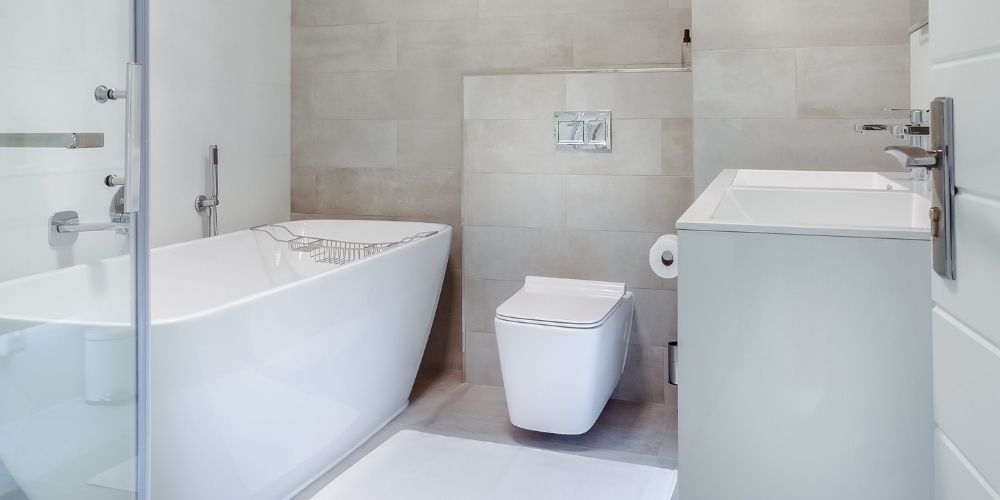
Correct the high flange of your toilet
Numerous problems can arise because of the toilet flange too high. A high flange can result in the deterioration of your bathroom floor and cause instability in the toilet. Many times, the toilet also starts leaking water because of the high flange.
There are about three different methods of correcting this problem. You can either get your old flange replaced, utilize grout as filler, or raise the height of your bathroom floor.
Know How to Correct A Toilet Flange Too High- Step by Step Guide
A high toilet flange can create many unnecessary problems in your daily toilet use. You may witness the formation of mildew on the toilet floor, there may be mold formation, excessive leakage of water might eventually break the floor. It is also possible for the toilet to rock back and forth during use. We have brought you dependable solutions to get rid of these problems.
Replace the old flange
A very high flange should be adequately replaced. It is essential that you entirely remove the fitting of the old flange from the pipe that rises up from the bathroom floor.
Step 1: remove your toilet
It is important to disconnect the toilet for this procedure. If you aren’t accustomed to such activities, it is suggested that you take the help of a plumber. Disconnecting the toilet will reveal the portions that need to be altered.
Step 2: break the outer flange
Don’t hesitate in breaking the outer flange portion of your toilet. You wouldn’t need this part again. However, you must be careful while breaking the flange with a hammer because the pipe must never get damaged.
If you aren’t confident about your approach with a hammer, you may as well use a four-in hole saw along with a variable speed drill. This should help you in quickly getting rid of the outer flange.
Pay extra attention to the direction of the pipe that arises from the floor. If the direction of the pipe is not straight, you may have to make some adjustments while cutting to save the pipe. Any damage to the pipe will result in more expenditure and effort on your part.
Step 3: remove the fitting from the pipe
The fitting can be adequately removed from the pipe by making two special cuts. These two score cuts must lie an inch apart from each other. This can be done with the help of a blade. When you are making the cut, ensure that it doesn’t extend deeper than the fitting.
The fitting can then be separated from the pipe with the help of a screwdriver in a downward motion. Note that it may not be possible to get the fitting out in the full piece. Many times, it will break down during removal.
Step 4: grind the top of the pipe
Once you have carefully removed the fitting and the outer portion of the flange, you must grind the top portion of the pipe and maintain its flush with the floor of the toilet. This can be very well accomplished with the help of a PVC saw.
Step 5: Insert the new flange
Once the pipe has been adequately cut to flush with the floor, you can carefully insert the new flange into the pipe. Go for a flange that is equipped with a good water-tight seal.
Step 6: fix the flange with screws
Your last step would be to drill four pilot holes into the floor of your toilet. Appropriate screws must be utilized according to the type of floor. Tighten up the screws adequately and ensure that your toilet is firmly fixed.
This procedure will lower the height of your toilet’s flange and solve all the problems of water leakage and such.
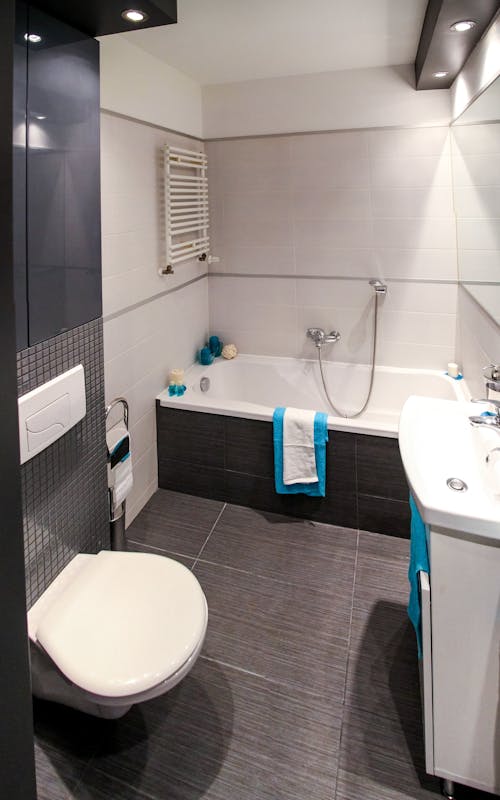
Utilize grout to fill the gap
If your toilet flange is too high, you can adequately fill out the gap with the help of grout. Follow the given steps to correct your toilet with this method.
Step 1: mix your grout
It is important that you carefully mix your grout. While it is not important to stick to the given instructions on the package, it is essential that you attain the right consistency. The ideal ratio of grout to water is 6 ratio 1. This ratio will give you ample grout to complete your task with ease. Too much water will make the grout very flowy and it will take more time to set up.
Step 2: set your toilet on rubber shims
Set your toilet up properly with the help o four rubber shims. These rubber shims will also help in maintaining the right position of your toilet and prevent it from shaking during work. Once properly set, you can work on the reduction of your flange without disturbance. Ensure that your toilet is properly leveled because it will be fixed in that position.
Step 3: pack grout into the gap
Take the mixed grout and fill it into the gap. This should be done in all portions of the toilet. Once all the gaps have been filled, you must wait for the grout to set.
Step 4: wait for a day
After filling in the gaps with grout, wait for a day before using the toilet again. Let the grout dry and set. It is suggested that you supply some moisture to the grout when it is setting. Grout with some moisture dries faster and ends up becoming more strong.
Step 5: remove the shims
After the grout has dried and set, you can remove the shims. Not all shims will be easy to remove. But they will eventually come out after some prolonged effort.
Step 6: grout the gaps
After the shims have been removed, you’ll need to fill grout in the places where the shims were embedded. Fill in all the gaps and let them dry. Note that it is important for the end of the grout bead to be curved towards the toilet in an inward direction. The formation of this curve will render a smooth overlap for you to fill the gap.
Step 7: tighten the nuts
Fix your toilet adequately by tightening the nuts. This will create stability in your toilet during use.
Raise the bathroom floor
Raising the bathroom floor is not as easy as it sounds. This task requires a lot of time and effort. You ought to lay down a thicker flooring than the one that already exists so that the height of the flange is reduced. Your goal is to make the floor thicker than it already is.
Step 1: measure the current thickness of your bathroom floor
It is essential that you measure the current thickness of your bathroom floor because it will help you decipher the exact height of the toilet flange above it. Once you have made the accurate measurements, you must get tiles with the required thickness.
Step 2: remove the old flooring
It is suggested that you take the help of professionals in removing your old flooring. Then your new flooring can be laid. The new flooring will effectively reduce the height of your toilet’s flange and solve all the problems it brings. There’ll be no more leaking of water on the toilet floor, no more formation of mold, and no more rocking of the toilet during use.
Hardwood flooring is recommended as it allows the toilet to sit more firmly. Ensure that the weight of your toilet is adequately supported by the flooring. Make sure that you have correctly measured the radius of the toilet flange and the distance of the flange from the nearest wall before you raise the floor.
Cut the pipe
This is the last dependable resort, but it can be utilized when no other solution seems to work. Rather than reducing the height of the flange, you can cut the PVC pipe that goes into the toilet. A well-equipped blade can easily make the required cut.
Step 1: remove the flange
You’ll have to remove the outer flange to make the cut on the PVC pipe. Even with this method, you’ll have to replace your old flange with a new one.
Step 2: make your pipe flush with the floor
Make the cut in such a way that your pipe is in flush with the floor. You need to ascertain the proper angle of your floor for making the right cut.
Step 3: Install the new flange
Once the proper cut has been made, you can install the new flange. Ensure that you let the problem fix before you use this toilet again.
Conclusion
We have brought you some very dependable techniques to fix the excessive height of your toilet flange. This will prevent the occurrence of leaks around the base of the toilet and stop the formation of mold in your bathroom. However, you must attempt any of the above-mentioned procedures on your own only if you are confident. Otherwise, it is suggested that you take the help of a plumber.